During peak season in the Masai Mara, it is not unusual to count twenty or more vehicles clustered around a single predator sighting. That experience has become the defining image of Kenyan safari for many travelers, and not always in a flattering way.
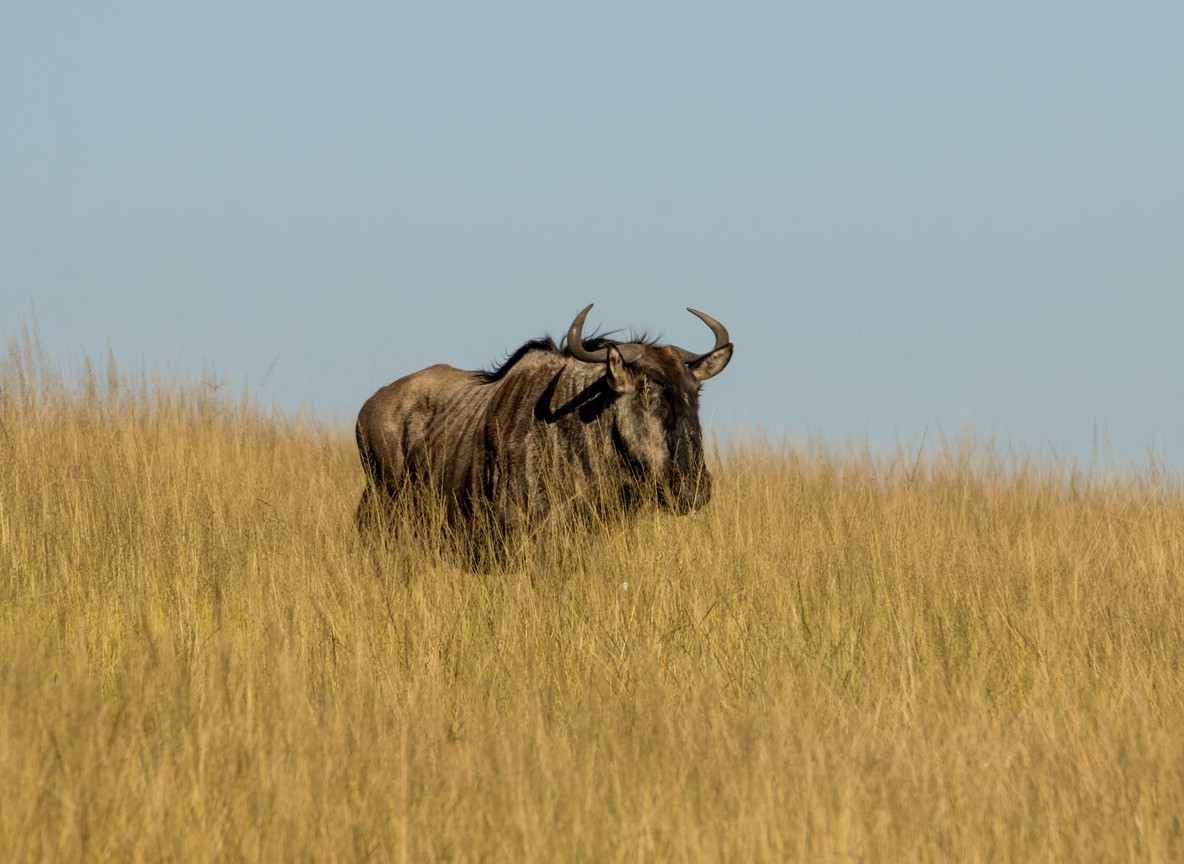
Kenya conservancies offer a different arrangement. They are privately managed wildlife areas, most of them adjacent to national parks and reserves, operating under strict rules on vehicle access, guest numbers, and land use. This article explains how the model works, what it makes possible that national reserves do not allow, and how to decide which conservancy suits your priorities.
How Kenya Conservancies Work
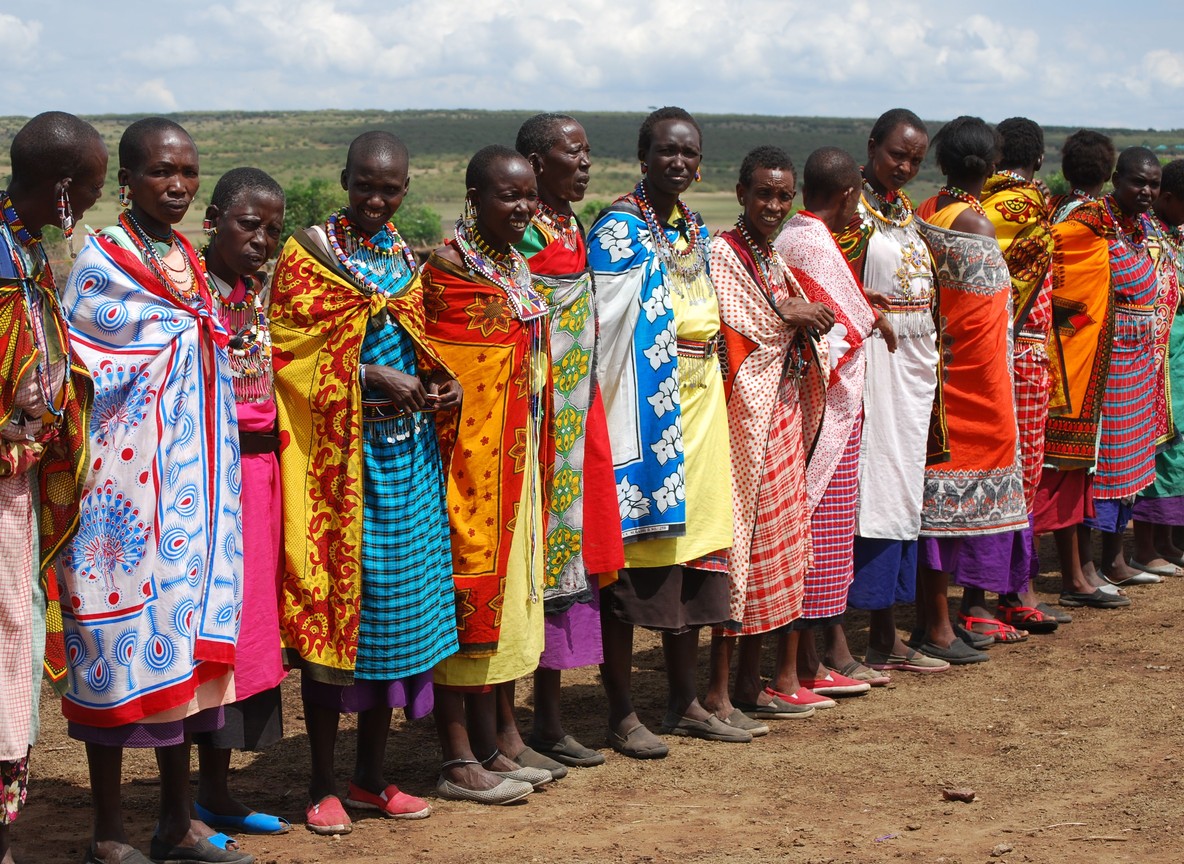
The conservancy model rests on community land leases. In most cases, Maasai landowners agree to lease their land to conservation organizations or safari operators in exchange for guaranteed income payments. Those payments typically exceed what the same land would earn through farming or livestock grazing, which gives landowners a direct financial reason to protect wildlife habitat rather than convert it.
In practice, the arrangement works like this:
- Maasai communities lease land for a fixed term, receiving per-acre or per-family payments
- Wildlife populations recover across the leased area, free from agricultural disruption
- Safari lodges operate within the conservancy under strict guest limits and environmental standards
- A portion of lodge revenue and conservancy fees funds community projects including schools, clinics, and water infrastructure
- Anti-poaching patrols and wildlife monitoring are sustained through the same revenue stream
The result is a self-sustaining model. Wildlife conservation generates income for landowners, community support maintains the habitat, and the habitat makes safari viable. No government subsidy is required.
What Kenya Conservancies Offer That National Parks Cannot
Four practical differences separate a conservancy visit from a national park game drive.
Vehicle density
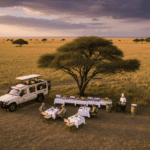
National reserves set no cap on the number of vehicles that can attend a sighting. Conservancies restrict access to guests staying within the property. At most sightings you will encounter two or three other vehicles. At some, you will have the scene entirely to yourself. Guides can position for photography rather than competing for space with arriving minibuses.
Off-road driving
Vehicles inside national reserves must stay on designated tracks. Conservancy guides can leave the road to follow wildlife across open ground. That means tracking a cheetah through a hunting run, repositioning to stay ahead of a moving pride, or pulling close to a herd without waiting for animals to cross a road at a convenient point.
Night drives and walking safaris
Both activities are prohibited in Kenya’s national reserves. Conservancies allow them. Night drives reveal a different set of animals: leopards on the move, hyenas at a kill, aardvarks, genets, and bush babies that are largely absent from daytime game drives. Walking safaris, led by trained guides, shift the experience from passenger to participant. Ecosystems that read one way from a vehicle read differently at ground level.
Lodge scale
Conservancies cap the total number of guests on the property at any time. Most camps hold between eight and thirty guests. That scale produces a quieter atmosphere than larger reserves, where several hundred guests may be in the field simultaneously.
Six Kenya Conservancies Worth Knowing
Mara North Conservancy
Mara North borders the Masai Mara National Reserve on its northern edge, covering 74,000 acres. It is one of the largest and longest-established conservancies in the Mara ecosystem, with strong predator populations year-round and direct access to Great Migration river crossings between July and October. Elephant Pepper Camp, Kicheche Mara Camp, and Saruni Mara are among the resident lodges.
Olare Motorogi Conservancy
At 33,000 acres, Olare Motorogi is smaller than Mara North but consistently cited for high predator density, particularly lions, leopards, and cheetahs. Vehicle limits are tight, and several of the most high-end safari camps in Kenya operate here. Mahali Mzuri, Mara Plains Camp, and Kicheche Valley are the main options.
Naboisho Conservancy
Naboisho covers 50,000 acres in the eastern Mara ecosystem and is one of the more successful community-owned conservancies in Kenya. It offers comparable wildlife quality to Olare Motorogi at a lower average price. The habitat mixes open plains, riverine forest, and rocky outcrops. Encounter Mara, Naboisho Camp, and Basecamp Wilderness are the primary camps.
Ol Pejeta Conservancy
Located on the Laikipia Plateau in central Kenya, Ol Pejeta is Kenya’s largest black rhino sanctuary and home to the last two northern white rhinos on earth. It also holds a chimpanzee sanctuary and offers Big Five sightings in a region that attracts far fewer visitors than the Mara. Ol Pejeta Bush Camp, Sweetwaters Serena Camp, and Kicheche Laikipia are the main accommodation options.
Lewa Wildlife Conservancy
Lewa sits near Mount Kenya in northern Kenya and holds one of Africa’s highest densities of both black and white rhinos. It is also habitat for the endangered Grevy’s zebra and carries UNESCO World Heritage status. Lewa is credited with pioneering the community-conservancy model in Kenya, and its conservation programs are among the most developed in the country. Lewa Safari Camp, Lewa Wilderness, and Sirikoi Lodge operate within its boundaries.
Ol Kinyei Conservancy
Ol Kinyei is the smallest conservancy on this list at 7,000 acres. It is community-owned, relatively uncrowded even within the conservancy sector, and particularly well suited to walking safaris and Maasai cultural visits. Porini Lion Camp and Porini Mara Camp are the primary options, with pricing at the more accessible end of the conservancy range.
Planning Your Budget
Conservancy accommodation costs more than equivalent options in national reserves, primarily because conservancy fees are included and guest numbers are deliberately capped.
Mid-range (USD 400 to 700 per person per night): Comfortable tented camps, shared game drives, full board. This tier is best represented in Naboisho, Ol Kinyei, and select Mara North camps.
Luxury (USD 800 to 1,500 per person per night): High-end tented camps, private game drives available, premium locations, all-inclusive. Common in Olare Motorogi, Mara North, Ol Pejeta, and Lewa.
Ultra-luxury (USD 1,500 to 3,000 or more per person per night): Exclusive-use properties, private guides, bespoke scheduling, maximum privacy.
The mid-range tier, particularly in Naboisho or Ol Kinyei, delivers genuine conservancy exclusivity at a significant cost saving compared to top-tier Mara options.
Matching a Conservancy to Your Safari Goals
A few questions narrow the choices quickly:
- Rhino is the priority: Ol Pejeta or Lewa. Both provide reliable sightings.
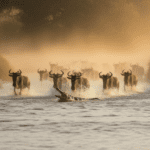
- Great Migration is the priority: Any Mara-ecosystem conservancy works, but visit between July and October. Mara North and Olare Motorogi offer both migration access and strong conservancy exclusivity.
- Predators above all else: Olare Motorogi has the highest density in the Mara ecosystem.
- Walking safaris and cultural engagement: Ol Kinyei or Naboisho.
- Value matters: Naboisho and Ol Kinyei offer the best value in the sector. Ol Pejeta in Laikipia is also more accessible on price than premium Mara options.
- Combining parks and conservancies: Three nights in a Mara conservancy combined with two nights in the national reserve works well. For rhinos, add two nights in Ol Pejeta or Lewa.
Explorer Notes
Conservancy fees are usually bundled into lodge rates, but confirm this before booking. Some properties list them separately, and the figures are not trivial. Not every conservancy permits walking safaris at all times of year; check activity availability directly with the camp rather than assuming it is included. Laikipia conservancies (Ol Pejeta, Lewa) attract far fewer visitors than the Mara, which can be an advantage outside the July to October migration window. If you plan to split time between a conservancy and the Masai Mara National Reserve, note that vehicle rules and crowd conditions change as soon as you cross into the reserve boundary.
Why Conservancy Safari Holds Up as a Practical Choice
Kenya conservancies are not simply less-crowded versions of national parks. They operate under a different set of rules, exist for a distinct conservation purpose, and produce a materially different experience on the ground. The vehicle limits, off-road access, and night drive permissions are structural features of how these areas are managed, not add-on services.
For travelers prepared to pay somewhat more for accommodation, the trade is a quieter and more flexible safari with direct financial links to wildlife protection and community income. That arrangement holds across the price spectrum, from Ol Kinyei at the accessible end to the premium camps of Olare Motorogi.
Prefer a different route, budget, or travel style? This plan can be adapted to fit.
Customise Your Trip